Buy revolutiondigital.eu ?
We are moving the project
revolutiondigital.eu .
Are you interested in purchasing the domain
revolutiondigital.eu ?
domain@kv-gmbh.de · 0541-91531010
Buy revolutiondigital.eu ?
How to use a USB card reader?
To use a USB card reader, first, insert the memory card into the appropriate slot on the card reader. Then, plug the USB end of the card reader into an available USB port on your computer. The computer should automatically detect the card reader and open a window displaying the contents of the memory card. You can then transfer files to and from the memory card as needed. Once you are finished, safely eject the card reader from your computer before removing the memory card. **
How do you use a USB card reader?
To use a USB card reader, you first need to insert the memory card into the appropriate slot on the card reader. Then, plug the USB end of the card reader into a USB port on your computer. The computer will recognize the card reader as an external storage device, allowing you to access and transfer files between the memory card and your computer. Once you have finished transferring files, safely eject the card reader from your computer before removing the memory card. **


Similar search terms for USB-Smart-Card-Reader
Top-Angebote
Products related to USB-Smart-Card-Reader:
-
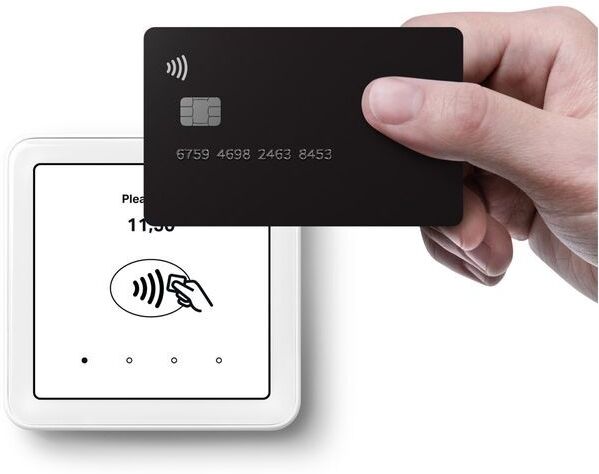
SumUp Solo Smart Card ReaderPocket-sized and practical – the SumUp Solo is designed to be truly portable. It packs 9 years of expertise into a single compact device that can come everywhere with you. It looks the part too. The smart touchscreen makes it easy to use, so payments are seamless. Good to know - Automatic updates mean you'll get access to any new features - The strong reliable WiFi connection and free SIM card mean you can process payments anywhere - It will always be ready to go thanks to the charging station –94,99 £*Shipping: 0,00 £Secure redirect to the provider


-
Is the USB card reader not recognized by the car radio?
There could be several reasons why the USB card reader is not recognized by the car radio. It could be due to compatibility issues between the USB card reader and the car radio, a faulty USB card reader, or a problem with the car radio's USB port. It's also possible that the USB card reader is not properly inserted into the car radio's USB port. Troubleshooting steps could include trying a different USB card reader, checking for any software updates for the car radio, and ensuring that the USB card reader is inserted correctly. **
-
Why does a USB 3 card reader copy so slowly to an SD card?
A USB 3 card reader may copy data slowly to an SD card due to several reasons. One possible reason could be that the SD card itself has a slower write speed, limiting the overall transfer speed. Additionally, if the USB 3 card reader is not compatible with the specific SD card, it may not be able to fully utilize the faster transfer speeds offered by USB 3. Finally, other factors such as the size and number of files being copied, as well as potential issues with the USB port or cable, could also contribute to slower transfer speeds. **
-
What is the purpose of configuring a smart card reader in a laptop?
Configuring a smart card reader in a laptop allows the user to securely access sensitive information and systems. Smart cards are used for authentication and can store personal identification, encryption keys, and other secure data. By configuring a smart card reader, the laptop can provide an additional layer of security, ensuring that only authorized users can access certain resources or perform specific actions. This is especially important for organizations and individuals who need to protect sensitive data and prevent unauthorized access. **
-
Do I need to format a USB card reader before using it?
No, you do not need to format a USB card reader before using it. USB card readers are typically plug-and-play devices, meaning they are ready to use as soon as you plug them into your computer. They are designed to work with a variety of memory card formats and do not require any additional formatting before use. Simply insert your memory card into the card reader and it should be recognized by your computer. **


Why is the SD card reader not working in the USB hub?
The SD card reader may not be working in the USB hub due to several reasons. It could be a compatibility issue between the SD card reader and the USB hub, a faulty connection between the devices, or a problem with the drivers or software. Additionally, the USB hub may not be providing enough power to the SD card reader for it to function properly. Troubleshooting steps such as checking connections, updating drivers, and trying a different USB port can help identify and resolve the issue. **
What is a card reader?
A card reader is a device used to read information stored on a card, such as a credit card or identification card. It typically has a slot where the card is inserted, and it can read the data stored on the card's magnetic stripe or chip. Card readers are commonly used for making payments, accessing secure locations, or verifying a person's identity. **
Top-Angebote
Products related to USB-Smart-Card-Reader:
-
SumUp Solo Smart Card ReaderPocket-sized and practical – the SumUp Solo is designed to be truly portable. It packs 9 years of expertise into a single compact device that can come everywhere with you. It looks the part too. The smart touchscreen makes it easy to use, so payments are seamless. Good to know - Automatic updates mean you'll get access to any new features - The strong reliable WiFi connection and free SIM card mean you can process payments anywhere - It will always be ready to go thanks to the charging station –94,99 £*Shipping: 0,00 £Secure redirect to the provider
-
How to use a USB card reader?
To use a USB card reader, first, insert the memory card into the appropriate slot on the card reader. Then, plug the USB end of the card reader into an available USB port on your computer. The computer should automatically detect the card reader and open a window displaying the contents of the memory card. You can then transfer files to and from the memory card as needed. Once you are finished, safely eject the card reader from your computer before removing the memory card. **
-
How do you use a USB card reader?
To use a USB card reader, you first need to insert the memory card into the appropriate slot on the card reader. Then, plug the USB end of the card reader into a USB port on your computer. The computer will recognize the card reader as an external storage device, allowing you to access and transfer files between the memory card and your computer. Once you have finished transferring files, safely eject the card reader from your computer before removing the memory card. **
-
Is the USB card reader not recognized by the car radio?
There could be several reasons why the USB card reader is not recognized by the car radio. It could be due to compatibility issues between the USB card reader and the car radio, a faulty USB card reader, or a problem with the car radio's USB port. It's also possible that the USB card reader is not properly inserted into the car radio's USB port. Troubleshooting steps could include trying a different USB card reader, checking for any software updates for the car radio, and ensuring that the USB card reader is inserted correctly. **
-
Why does a USB 3 card reader copy so slowly to an SD card?
A USB 3 card reader may copy data slowly to an SD card due to several reasons. One possible reason could be that the SD card itself has a slower write speed, limiting the overall transfer speed. Additionally, if the USB 3 card reader is not compatible with the specific SD card, it may not be able to fully utilize the faster transfer speeds offered by USB 3. Finally, other factors such as the size and number of files being copied, as well as potential issues with the USB port or cable, could also contribute to slower transfer speeds. **
Similar search terms for USB-Smart-Card-Reader
-
What is the purpose of configuring a smart card reader in a laptop?
Configuring a smart card reader in a laptop allows the user to securely access sensitive information and systems. Smart cards are used for authentication and can store personal identification, encryption keys, and other secure data. By configuring a smart card reader, the laptop can provide an additional layer of security, ensuring that only authorized users can access certain resources or perform specific actions. This is especially important for organizations and individuals who need to protect sensitive data and prevent unauthorized access. **
-
Do I need to format a USB card reader before using it?
No, you do not need to format a USB card reader before using it. USB card readers are typically plug-and-play devices, meaning they are ready to use as soon as you plug them into your computer. They are designed to work with a variety of memory card formats and do not require any additional formatting before use. Simply insert your memory card into the card reader and it should be recognized by your computer. **
-
Why is the SD card reader not working in the USB hub?
The SD card reader may not be working in the USB hub due to several reasons. It could be a compatibility issue between the SD card reader and the USB hub, a faulty connection between the devices, or a problem with the drivers or software. Additionally, the USB hub may not be providing enough power to the SD card reader for it to function properly. Troubleshooting steps such as checking connections, updating drivers, and trying a different USB port can help identify and resolve the issue. **
-
What is a card reader?
A card reader is a device used to read information stored on a card, such as a credit card or identification card. It typically has a slot where the card is inserted, and it can read the data stored on the card's magnetic stripe or chip. Card readers are commonly used for making payments, accessing secure locations, or verifying a person's identity. **
* All prices are inclusive of VAT and, if applicable, plus shipping costs. The offer information is based on the details provided by the respective shop and is updated through automated processes. Real-time updates do not occur, so deviations can occur in individual cases. ** Note: Parts of this content were created by AI.