Buy revolutiondigital.eu ?
We are moving the project
revolutiondigital.eu .
Are you interested in purchasing the domain
revolutiondigital.eu ?
domain@kv-gmbh.de · 0541-91531010
Buy revolutiondigital.eu ?
How are Latin subjunctive subordinate clauses still translated with the subjunctive?
Latin subjunctive subordinate clauses are still translated with the subjunctive in English to convey the same sense of uncertainty, possibility, or doubt. In English, the subjunctive mood is used to express hypothetical or unreal situations, wishes, recommendations, or demands. Therefore, when translating Latin subjunctive subordinate clauses, the English subjunctive is used to maintain the same mood and meaning of the original Latin sentence. **
Maybe subjunctive or indicative?
The choice between subjunctive or indicative depends on the context of the sentence. The subjunctive mood is used to express doubt, uncertainty, desire, or hypothetical situations, while the indicative mood is used for statements of fact or certainty. To determine whether to use subjunctive or indicative, consider the verb's relationship to reality and whether it is expressing a fact or a possibility. **


Similar search terms for Subjunctive
Top-Angebote
Products related to Subjunctive:
-
Multisell Products Hub High Tech Construction Bricks Set, New Creative Technology Space Station Transparent Globe, Toy Gifts For Children High Tech Construction Bricks Set, New Creative Technology Space Station Transparent Globe, Toy Gifts For ChildrenInnovative Building Fun for Kids: Bring the world of construction and creativity together with the New Creative Technology Space Station Transparent Globe Building Blocks. This hightech, engaging toy set is designed for young minds to explore the...179,97 $*Shipping: 0,00 $Secure redirect to the provider
-
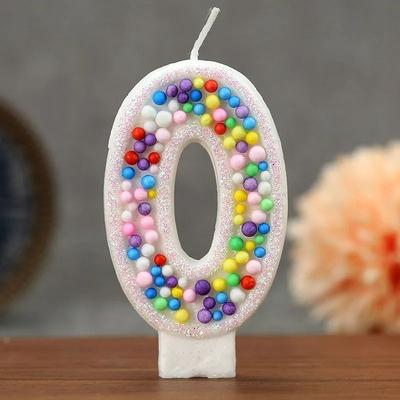
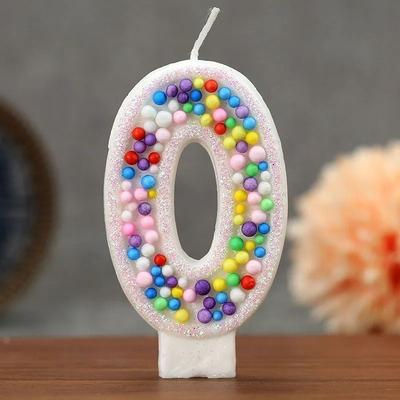
Uplift Essentials Colorful Ball Creative Digital Birthday Cake CandlesAdd a playful pop of color and celebratory joy to any birthday cake with these colorful ball creative digital birthday candles. Featuring a bold, threedimensional number design crowned with a cluster of vibrant, multicolored mini spheres, these...32,97 $*Shipping: 0,00 $Secure redirect to the provider
-
Uplifted Finds Colorful Ball 0 9 Creative Digital Birthday CandleBring a vibrant pop of festive joy to your birthday cake with this Colorful Ball 09 Creative Digital Birthday Candle! Designed with a fun, modern number silhouette topped with colorful mini pompom or ball accents, this cheerful candle turns any...32,97 $*Shipping: 0,00 $Secure redirect to the provider
-
Uplift Essentials Colorful Ball Creative Digital Birthday Cake Candles 1Add a playful pop of color and celebratory joy to any birthday cake with these colorful ball creative digital birthday candles. Featuring a bold, threedimensional number design crowned with a cluster of vibrant, multicolored mini spheres, these...32,97 $*Shipping: 0,00 $Secure redirect to the provider


-
Perhaps, subjunctive or indicative?
The choice between subjunctive or indicative depends on the context of the sentence. The subjunctive mood is used to express hypothetical or uncertain situations, wishes, recommendations, or doubts. On the other hand, the indicative mood is used for statements of fact or certainty. Therefore, if the sentence is expressing a possibility, doubt, or desire, the subjunctive mood would be more appropriate. **
-
Conditional, subjunctive or indicative?
The choice between conditional, subjunctive, or indicative mood depends on the context of the sentence. The conditional mood is used to express a hypothetical situation or a condition that is dependent on something else happening. The subjunctive mood is used to express wishes, recommendations, or possibilities. The indicative mood is used to state facts or ask questions. **
-
What is the use of the present subjunctive and the past subjunctive?
The present subjunctive is used to express desires, doubts, wishes, or hypothetical situations in the present or future. It is often used after certain verbs and conjunctions that indicate uncertainty or subjectivity. The past subjunctive, on the other hand, is used to express desires, doubts, wishes, or hypothetical situations in the past. It is often used in the same way as the present subjunctive, but in reference to past events or situations. Both subjunctive forms are used to convey uncertainty or subjectivity in a sentence. **
-
Are the subjunctive I and the subjunctive II present in all tenses?
No, the subjunctive I and subjunctive II are not present in all tenses. The subjunctive I is only present in the present tense, while the subjunctive II is present in the past tense. The subjunctive I is used to express wishes, suggestions, or hypothetical situations in the present, while the subjunctive II is used to express wishes, suggestions, or hypothetical situations in the past. Each tense has its own specific form of the subjunctive mood. **


'It is strange that + subjunctive'
It is strange that she should be so calm in such a chaotic situation. **
When is the subjunctive used?
The subjunctive is used to express desires, doubts, wishes, possibilities, recommendations, or hypothetical situations. It is often used in dependent clauses following certain verbs or expressions that convey these meanings. The subjunctive mood is used to show uncertainty or subjectivity in a sentence, rather than stating a fact or certainty. It is important to pay attention to the context and the verb that triggers the use of the subjunctive in order to use it correctly. **
Top-Angebote
Products related to Subjunctive:
-
HARPERCOLLINS Creative Confidence by Tom & David Kelley – Unleashing Your Creative Potential & Innovation MindsetA powerful and inspiring book from the founders of IDEO, the award-winning design firm, on unleashing the creativity that lies within each and every one of us. Too often, companies and individuals assume that creativity and innovation are the domain of the ‘creative types’. But two of the foremost experts in innovation, design and creativity on the planet show us that each and every one of us is creative. In an entertaining and inspiring narrative that draws on countless stories from their work at IDEO, and with many of the world's top companies and design firms, David and Tom Kelley identify the principles and strategies that will allow us to tap into our creative potential in our work lives, and in our personal lives, allow us to think outside the box in terms of how we approach and solve problems. ‘Creative Confidence’ is a book that will help each of us be more productive and successful in our lives and in our careers.4,95 £*Shipping: 1,99 £Secure redirect to the provider
-
No Marketing Systems Wood Corner Desk"The corner desk measures 42"" X 28"" X 30"" And Weighs 42 lbs. Arrives with only minimal Assembly required. Comfortably fitting in any home, studio, apartment, and office, The small corner writing desk maximizes space in compact rooms."258,89 $*Shipping: 0,00 $Secure redirect to the provider
-
Multisell Products Hub High Tech Construction Bricks Set, New Creative Technology Space Station Transparent Globe, Toy Gifts For Children High Tech Construction Bricks Set, New Creative Technology Space Station Transparent Globe, Toy Gifts For ChildrenInnovative Building Fun for Kids: Bring the world of construction and creativity together with the New Creative Technology Space Station Transparent Globe Building Blocks. This hightech, engaging toy set is designed for young minds to explore the...179,97 $*Shipping: 0,00 $Secure redirect to the provider
-
Uplift Essentials Colorful Ball Creative Digital Birthday Cake CandlesAdd a playful pop of color and celebratory joy to any birthday cake with these colorful ball creative digital birthday candles. Featuring a bold, threedimensional number design crowned with a cluster of vibrant, multicolored mini spheres, these...32,97 $*Shipping: 0,00 $Secure redirect to the provider
-
How are Latin subjunctive subordinate clauses still translated with the subjunctive?
Latin subjunctive subordinate clauses are still translated with the subjunctive in English to convey the same sense of uncertainty, possibility, or doubt. In English, the subjunctive mood is used to express hypothetical or unreal situations, wishes, recommendations, or demands. Therefore, when translating Latin subjunctive subordinate clauses, the English subjunctive is used to maintain the same mood and meaning of the original Latin sentence. **
-
Maybe subjunctive or indicative?
The choice between subjunctive or indicative depends on the context of the sentence. The subjunctive mood is used to express doubt, uncertainty, desire, or hypothetical situations, while the indicative mood is used for statements of fact or certainty. To determine whether to use subjunctive or indicative, consider the verb's relationship to reality and whether it is expressing a fact or a possibility. **
-
Perhaps, subjunctive or indicative?
The choice between subjunctive or indicative depends on the context of the sentence. The subjunctive mood is used to express hypothetical or uncertain situations, wishes, recommendations, or doubts. On the other hand, the indicative mood is used for statements of fact or certainty. Therefore, if the sentence is expressing a possibility, doubt, or desire, the subjunctive mood would be more appropriate. **
-
Conditional, subjunctive or indicative?
The choice between conditional, subjunctive, or indicative mood depends on the context of the sentence. The conditional mood is used to express a hypothetical situation or a condition that is dependent on something else happening. The subjunctive mood is used to express wishes, recommendations, or possibilities. The indicative mood is used to state facts or ask questions. **
Similar search terms for Subjunctive
-
Uplifted Finds Colorful Ball 0 9 Creative Digital Birthday CandleBring a vibrant pop of festive joy to your birthday cake with this Colorful Ball 09 Creative Digital Birthday Candle! Designed with a fun, modern number silhouette topped with colorful mini pompom or ball accents, this cheerful candle turns any...32,97 $*Shipping: 0,00 $Secure redirect to the provider
-
Uplift Essentials Colorful Ball Creative Digital Birthday Cake Candles 1Add a playful pop of color and celebratory joy to any birthday cake with these colorful ball creative digital birthday candles. Featuring a bold, threedimensional number design crowned with a cluster of vibrant, multicolored mini spheres, these...32,97 $*Shipping: 0,00 $Secure redirect to the provider
-
Uplift Essentials Colorful Ball Creative Digital Birthday Cake Candles 2Add a playful pop of color and celebratory joy to any birthday cake with these colorful ball creative digital birthday candles. Featuring a bold, threedimensional number design crowned with a cluster of vibrant, multicolored mini spheres, these...32,97 $*Shipping: 0,00 $Secure redirect to the provider
-
Uplift Essentials Colorful Ball Creative Digital Birthday Cake Candles 3Add a playful pop of color and celebratory joy to any birthday cake with these colorful ball creative digital birthday candles. Featuring a bold, threedimensional number design crowned with a cluster of vibrant, multicolored mini spheres, these...32,97 $*Shipping: 0,00 $Secure redirect to the provider
-
What is the use of the present subjunctive and the past subjunctive?
The present subjunctive is used to express desires, doubts, wishes, or hypothetical situations in the present or future. It is often used after certain verbs and conjunctions that indicate uncertainty or subjectivity. The past subjunctive, on the other hand, is used to express desires, doubts, wishes, or hypothetical situations in the past. It is often used in the same way as the present subjunctive, but in reference to past events or situations. Both subjunctive forms are used to convey uncertainty or subjectivity in a sentence. **
-
Are the subjunctive I and the subjunctive II present in all tenses?
No, the subjunctive I and subjunctive II are not present in all tenses. The subjunctive I is only present in the present tense, while the subjunctive II is present in the past tense. The subjunctive I is used to express wishes, suggestions, or hypothetical situations in the present, while the subjunctive II is used to express wishes, suggestions, or hypothetical situations in the past. Each tense has its own specific form of the subjunctive mood. **
-
'It is strange that + subjunctive'
It is strange that she should be so calm in such a chaotic situation. **
-
When is the subjunctive used?
The subjunctive is used to express desires, doubts, wishes, possibilities, recommendations, or hypothetical situations. It is often used in dependent clauses following certain verbs or expressions that convey these meanings. The subjunctive mood is used to show uncertainty or subjectivity in a sentence, rather than stating a fact or certainty. It is important to pay attention to the context and the verb that triggers the use of the subjunctive in order to use it correctly. **
* All prices are inclusive of VAT and, if applicable, plus shipping costs. The offer information is based on the details provided by the respective shop and is updated through automated processes. Real-time updates do not occur, so deviations can occur in individual cases. ** Note: Parts of this content were created by AI.